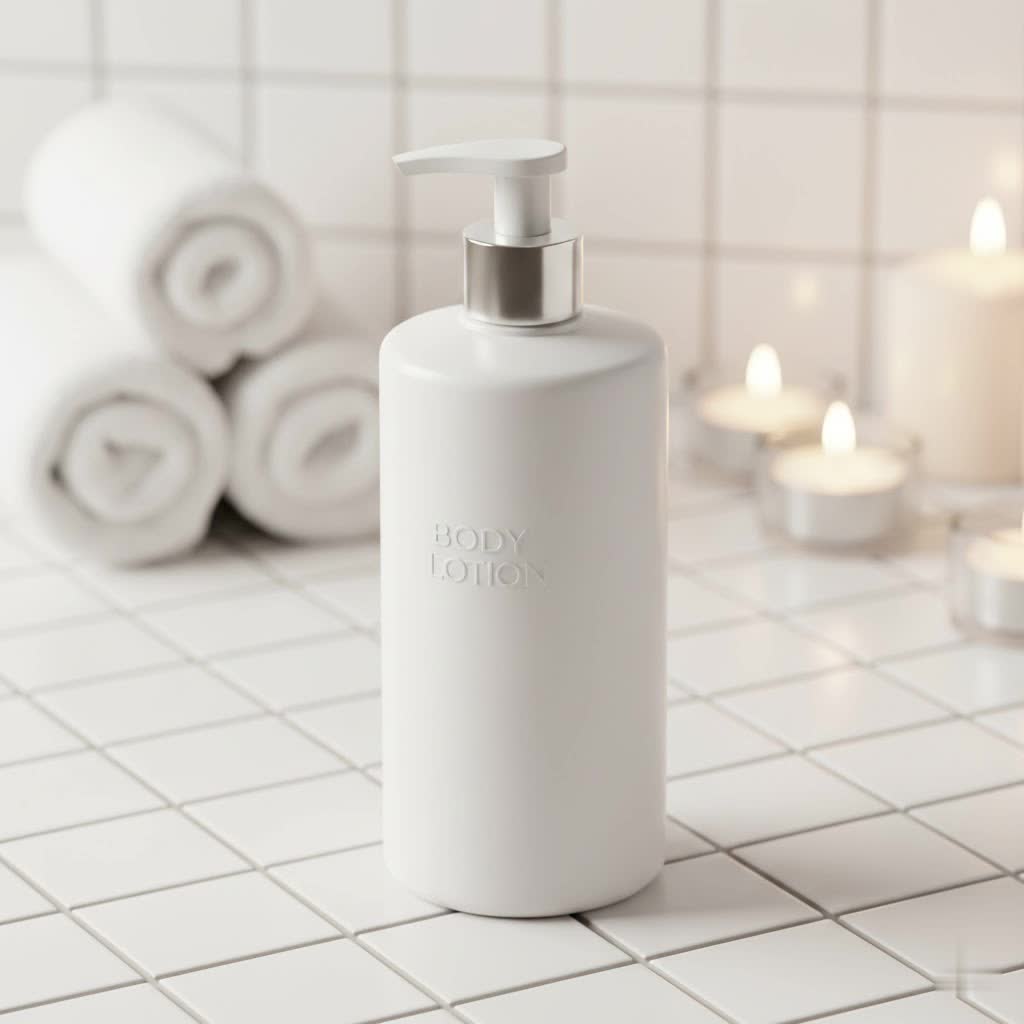
Dreaming of skin that feels incredibly soft and looks radiantly smooth from head to toe? Many of us contend with common concerns like rough patches, uneven texture, dullness, or stubborn dark spots on our bodies. While facial skincare often gets the spotlight, your body deserves the same dedicated attention. Enter glycolic acid body lotion—a powerful yet accessible solution designed to transform your skin by gently exfoliating and rejuvenating. This innovative product works by shedding dead skin cells, revealing the fresh, luminous skin beneath, and addressing a multitude of common skin issues, paving the way for the refined and vibrant complexion you desire.
Glycolic Acid Body Lotion: Your Path to Refined and Luminous Skin
What is Glycolic Acid Body Lotion and Why Do You Need It?
Glycolic acid body lotion harnesses the power of glycolic acid, an alpha hydroxy acid (AHA) naturally derived from sugarcane. Its unique characteristic lies in its small molecular size, which allows it to penetrate the skin deeply, effectively dissolving the “glue” that holds dead skin cells together. This process, known as chemical exfoliation, encourages rapid cell turnover, revealing fresher, healthier skin underneath without the harshness of physical scrubs. For best body lotion roundups on this site.
Body skin is often thicker and more resilient than facial skin, meaning it can benefit significantly from consistent exfoliation. Glycolic acid body lotion is a game-changer for several reasons: it intensely exfoliates, improves overall skin texture, reduces the appearance of hyperpigmentation and dark spots, stimulates collagen production for firmer skin, and acts as a humectant to draw and retain moisture. It’s particularly effective in addressing concerns like keratosis pilaris (KP), bumpy skin, body acne, and dry, flaky patches, making it an essential component of a comprehensive skincare routine for a smoother, more even-toned body.
Key Ingredients in Glycolic Acid Body Lotion
Understanding the components of your body lotion is crucial for maximizing its benefits and ensuring it aligns with your skin’s needs.
-
Exfoliating Ingredients:
- Glycolic Acid: As the star ingredient, it efficiently removes dead skin cells and promotes skin renewal, leading to a smoother texture and brighter complexion.
- Other AHAs (e.g., Lactic Acid, Polyhydroxy Acids): Lactic acid, with its larger molecular size, offers a gentler exfoliation and increased hydration, making it suitable for sensitive skin. Polyhydroxy acids (PHAs) provide even milder exfoliation, often favored for very delicate skin.
- Salicylic Acid (BHA): While glycolic acid is water-soluble, salicylic acid is oil-soluble, allowing it to penetrate into pores and dissolve sebum. This makes it an excellent addition for those struggling with body acne or clogged pores.
-
Hydrating & Soothing Ingredients:
- Glycerin, Hyaluronic Acid, Ceramides: These humectants and barrier-supporting ingredients attract and retain water, ensuring the skin remains hydrated and its natural barrier is fortified, counteracting any potential dryness from exfoliation.
- Shea Butter, Cocoa Butter, Jojoba Oil: Rich emollients that deeply nourish, soften, and smooth the skin, locking in moisture for lasting comfort.
- Niacinamide (Vitamin B3): A versatile ingredient known for its brightening, anti-inflammatory, and barrier-strengthening properties, often included to complement glycolic acid’s effects.
- Vitamin E, Antioxidants (e.g., CoQ10, Green Tea Extract): These powerful antioxidants protect the skin from environmental damage and free radicals, supporting overall skin health and anti-aging efforts.
- Urea: A highly effective humectant and keratolytic agent that not only hydrates but also helps break down rough, scaly skin, making it excellent for conditions like KP or very dry feet.
-
Ingredients to Avoid (or use with caution):
- Harsh Alcohols: Ingredients like ethanol or isopropyl alcohol can be drying and irritating, especially for those with sensitive skin.
- Excessive Synthetic Fragrances: While pleasant, strong fragrances can be a common cause of irritation and allergic reactions for sensitive skin types. Opt for fragrance-free or naturally scented options if you have concerns.
- Harsh Physical Exfoliants: Combining a strong glycolic acid lotion with abrasive physical scrubs can lead to over-exfoliation, compromising the skin barrier and causing redness, dryness, or increased sensitivity. It’s best to use them separately or choose products specifically formulated for combined use.
Comparing Glycolic Acid Body Lotions with Other Exfoliants
|
Our Picks for the Best Body Lotion in 2026
As an Amazon Associate I earn from qualifying purchases.
|
||
| Num | Product | Action |
|---|---|---|
| 1 | eos Shea Better Body Lotion- Crème de Pistachio, 24-Hour Moisture Skin Care, Lightweight & Non-Greasy, Made with Natural Shea, Vegan, 16 fl oz |

|
| 2 | Naturium Bio-Lipid Restoring Moisturizing Body Lotion with Shea Butter, Fragrance Free, 14 oz |
|
| 3 | Cetaphil Face & Body Moisturizer, Hydrating Moisturizing Lotion for All Skin Types, Suitable for Sensitive Skin, NEW 20 oz, Fragrance Free, Hypoallergenic, Non-Comedogenic |
|
| 4 | Weleda Restoring Body Lotion |
|
| 5 | Jergens Ultra Healing Dry Skin Lotion, Hand and Body Moisturizer for Quick Absorption into Extra Dry Skin with Hydralucence Blend, Vitamins C, E and B5, White, 32oz |
|
| 6 | CeraVe Intensive Moisturizing Lotion, Hydro-Urea + Shea Butter, Body Lotion For Dry Skin, Relieves Signs Of Extra Dry Skin, Non Greasy Hydrating Cream For Rough, Tight, Red & Itchy Skin, 16oz |
|
| 7 | Gold Bond Healing Hydrating Lotion With Aloe Moisturizes, Heals & Smooths Dry Skin, Body Lotion, Delivers Immediate 24-Hour Hydration, Value Size, 24 oz |
|
| 8 | eos Shea Better Body Lotion, Fresh & Cozy, 24-Hour Moisture Skin Care, Lightweight & Non-Greasy, Natural Shea, Vegan, 16 fl oz |
|
| 9 | Vaseline Intensive Care Body Lotion Cocoa Radiant 3 count for Dry Skin Lotion Made with Ultra-Hydrating Lipids and Pure Cocoa Butter for a Long-Lasting, Radiant Glow 20.3 Oz |
|
| 10 | Gold Bond Age Renew Retinol Overnight Body & Face Lotion, Retinol Face and Body Lotion with Peptide Complex, 13 oz |
|
Choosing the right body care product involves understanding the differences between various formulations and active ingredients.
| Feature | Glycolic Acid Lotion | Glycolic Acid Cream | Lactic Acid Lotion/Cream | Physical Exfoliants (Scrubs) |
|---|---|---|---|---|
| Exfoliation Type | Chemical (AHA) | Chemical (AHA) | Chemical (AHA) | Mechanical |
| Penetration Depth | Deep | Deep | Moderate | Surface |
| Hydration Level | Moderate to High | High | High | Low (can be drying) |
| Best For | Normal, Oily, Rough, Pigmented Skin, KP, Body Acne | Dry, Mature, Very Rough, Pigmented Skin | Sensitive, Dry Skin, Beginners, Milder Exfoliation | Occasional polishing, not for active issues like acne or KP |
| Texture | Lightweight, fast-absorbing | Richer, more nourishing | Gentle, hydrating | Gritty, can be abrasive |
| Potential Irritation | Moderate | Moderate | Low | Moderate (if overused/harsh) |
Glycolic acid is distinct from other exfoliants due to its small molecular size, which enables deeper penetration and more pronounced results. While lactic acid is another popular AHA, it’s larger molecule makes it gentler and more hydrating, ideal for sensitive or very dry skin, or those new to chemical exfoliation. Physical scrubs, on the other hand, offer surface-level mechanical exfoliation but can be harsh and inconsistent, making chemical exfoliants generally preferred for targeted skin concerns and overall texture improvement.
Guide to Choosing the Right Glycolic Acid Body Lotion
Selecting the perfect glycolic acid body lotion for your needs requires a thoughtful approach.
-
Identify Your Skin Type and Concerns:
- Dry/Normal Skin: Look for lotions with additional humectants (hyaluronic acid, glycerin) and emollients (shea butter, ceramides) to maintain moisture while exfoliating.
- Oily/Acne-Prone Skin: A lighter lotion with salicylic acid alongside glycolic acid can be beneficial for clearing pores.
- Sensitive Skin: Start with lower concentrations (5-8%) and look for formulas with soothing ingredients like niacinamide or aloe. Consider lactic acid as a milder alternative.
- Keratosis Pilaris (KP) or Stubborn Roughness: A higher concentration (10-15%) with urea can be very effective.
- Hyperpigmentation/Dark Spots: Products with brightening agents like niacinamide in addition to glycolic acid will offer enhanced results.
-
Consider Concentration: If you are new to glycolic acid, begin with a lower concentration (typically 5-8%) to allow your skin to adjust. As your skin builds tolerance, you can gradually increase to 10-15% for more intensive exfoliation on the body.
-
Check Complementary Ingredients: Look for lotions that combine glycolic acid with other beneficial ingredients like hydrators (hyaluronic acid, ceramides), antioxidants (Vitamin E, green tea), and soothing agents (aloe vera, niacinamide) to support skin health and minimize potential irritation.
-
Formulation Preference: Decide whether you prefer a lightweight lotion that absorbs quickly or a richer cream that provides more intense hydration.
-
Read Reviews and Patch Test: Always consult user reviews for insights into product performance and potential reactions. Before widespread application, perform a patch test on a small, inconspicuous area of your skin (e.g., inner forearm) for 24-48 hours to ensure no adverse reaction occurs.
-
Fragrance: If you have sensitive skin or prefer to avoid potential irritants, opt for fragrance-free formulations.
Top Glycolic Acid Body Lotions on the Market
While specific recommendations can vary based on individual needs and product availability, several types of glycolic acid body lotions consistently receive high praise:
- For High Potency & Stubborn Concerns: Products offering 10-15% glycolic acid, often found in dermatologist-developed lines, are excellent for treating severe roughness, pronounced KP, or significant hyperpigmentation. These typically include additional antioxidants and barrier-supporting ingredients.
- For Everyday Use & Gentle Exfoliation: Many accessible brands offer lotions with 5-8% glycolic acid, sometimes combined with other gentle AHAs or BHAs. These are perfect for maintaining smooth skin, improving general texture, and for beginners. They often incorporate hydrating ingredients like cocoa butter or shea butter to balance the exfoliation.
- For Hydration-Focused Exfoliation: Look for formulations that blend glycolic acid with polyhydroxy acids (PHAs) and rich emollients. These products provide effective exfoliation while ensuring the skin remains deeply moisturized, ideal for those with dry or mature skin.
When exploring options, focus on the percentage of glycolic acid, the inclusion of complementary ingredients, and reviews that resonate with your specific skin goals.
Tips for Effective Glycolic Acid Body Lotion Use
To achieve the best results and minimize potential side effects, proper application and a consistent routine are key.
- Timing is Everything: Apply your glycolic acid body lotion at night. This allows the product to work undisturbed while your body repairs itself, and it also reduces immediate sun exposure.
- Clean, Dry Canvas: Always apply the lotion to clean, dry skin. Applying it immediately after a shower, once your skin is gently patted dry, is ideal as it helps lock in moisture and enhances absorption.
- Start Slowly: If you’re new to glycolic acid, begin by using the lotion 2-3 times per week. As your skin adjusts and builds tolerance, you can gradually increase the frequency to every other night or even nightly, depending on your skin’s response and the product’s concentration. Body skin is often more resilient than facial skin, potentially tolerating more frequent use.
- Sun Protection is Non-Negotiable: Glycolic acid increases your skin’s sensitivity to the sun, making it more vulnerable to sunburn and UV damage. It is imperative to apply a broad-spectrum sunscreen with an SPF of 30 or higher to all exposed body parts every single morning, regardless of the weather.
- Target Specific Areas: While suitable for general body use, focus extra attention on areas prone to dryness, roughness, or hyperpigmentation, such as elbows, knees, heels, and areas affected by keratosis pilaris.
- Avoid Over-Exfoliation: Do not combine your glycolic acid body lotion with other harsh physical scrubs, abrasive tools, or other strong chemical exfoliants (unless specifically formulated to do so) to prevent irritation and damage to your skin barrier.
- Boost Hydration: If your skin feels dry or tight after applying the glycolic acid lotion, follow up with an additional layer of a rich, non-exfoliating moisturizer to provide extra hydration and comfort.
- Seasonal Adjustments: While beneficial year-round, glycolic acid body lotions can be particularly helpful during colder months when skin tends to be drier and flakier.
Where to Buy Glycolic Acid Body Lotion?
Glycolic acid body lotions are widely available, making it easy to find a product that suits your needs and budget.
- Dermatologist Offices & Medical Spas: For higher concentrations or professional-grade formulations, your dermatologist or a medical spa may offer specific brands or custom blends.
- Specialty Beauty Retailers: Stores like Sephora, Ulta, and other high-end beauty boutiques carry a range of popular brands known for their effective AHA products.
- Drugstores & Mass Retailers: Major pharmacies and stores like Target or Walmart stock more affordable options from well-known skincare brands, often featuring gentle to moderate concentrations of glycolic acid.
- Online Retailers: Websites like Amazon, Dermstore, or the official brand websites provide a vast selection, often with detailed ingredient lists and customer reviews to aid your decision.
When purchasing, always buy from reputable sources to ensure product authenticity and quality. Be wary of unusually low prices from unofficial sellers, as counterfeit products can be ineffective or even harmful.
Glycolic Acid Body Lotion Buying Guide
Making an informed choice for your glycolic acid body lotion means considering a few key factors:
- Skin Type:
- Dry/Sensitive: Look for lower concentrations (5-8%) with added hydrators like hyaluronic acid, ceramides, or shea butter. Consider lactic acid as an alternative.
- Normal/Oily: Can generally tolerate higher concentrations (10-15%) and benefit from lighter textures.
- KP/Rough Skin: Seek 10-15% glycolic acid, possibly with urea or salicylic acid.
- Desired Benefits: Are you aiming for overall smoothness, dark spot correction, anti-aging, or tackling body acne? Ensure the product’s claims align with your goals.
- Concentration: Start with a lower percentage if new to AHAs, gradually increasing as your skin adapts.
- Complementary Ingredients: Prioritize formulas with humectants, emollients, and antioxidants to support skin health and hydration.
- Fragrance-Free: If you have sensitive skin or a history of reactions, opt for fragrance-free options to minimize irritation.
- Reviews & Patch Test: Always read customer reviews and perform a patch test before fully incorporating a new product into your routine.
- Compare Price & Value: Consider the cost per ounce and the quality of ingredients to find a product that offers the best value for your budget and skin.
Conclusion
Glycolic acid body lotion is an exceptional addition to any skincare regimen, offering a transformative experience for your skin. By harnessing the power of gentle yet effective chemical exfoliation, it addresses a spectrum of concerns from dullness and roughness to dark spots and body acne. Consistent use, combined with a steadfast commitment to sun protection, will unveil a body complexion that is smoother, brighter, more even-toned, and profoundly hydrated. Choosing the right product involves understanding your skin’s unique needs and selecting a formula that provides the perfect balance of exfoliation and nourishment. Embrace the journey to healthier, more radiant skin. Are you ready to unveil the smoother, brighter skin you’ve always dreamed of?
Frequently Asked Questions
Can I use glycolic acid body lotion every day?
It’s best to start gradually, using it 2-3 times per week, especially if you’re new to AHAs. As your skin builds tolerance, you can slowly increase the frequency to every other night or even nightly, depending on your skin’s response and the product’s concentration. Always observe how your skin reacts.
Does glycolic acid body lotion make skin sensitive to the sun?
Yes, absolutely. Glycolic acid significantly increases your skin’s sensitivity to UV radiation. It is crucial to apply a broad-spectrum sunscreen with an SPF of 30 or higher to all exposed skin during the day when using any glycolic acid product.
What percentage of glycolic acid is best for body lotion?
For beginners or sensitive skin, a concentration of 5-8% is generally recommended. For more stubborn concerns like severe roughness or keratosis pilaris on areas with thicker skin, experienced users may opt for higher concentrations, typically up to 15%.
Can glycolic acid help with keratosis pilaris (KP)?
Yes, glycolic acid is highly effective in treating keratosis pilaris. Its exfoliating properties help to loosen and remove the buildup of dead skin cells that cause the characteristic bumps, leading to significantly smoother skin and often reducing associated redness or discoloration.
What’s the difference between glycolic acid and salicylic acid for the body?
Both are exfoliants, but they work differently. Glycolic acid is an AHA (alpha hydroxy acid), which is water-soluble and primarily exfoliates the skin’s surface, improving texture and tone. Salicylic acid is a BHA (beta hydroxy acid), which is oil-soluble and penetrates into pores to dissolve oil and dead skin cells, making it ideal for body acne and clogged pores.
Build a cleanser routine that actually works
Practical specs, not advice. Unsubscribe anytime.
