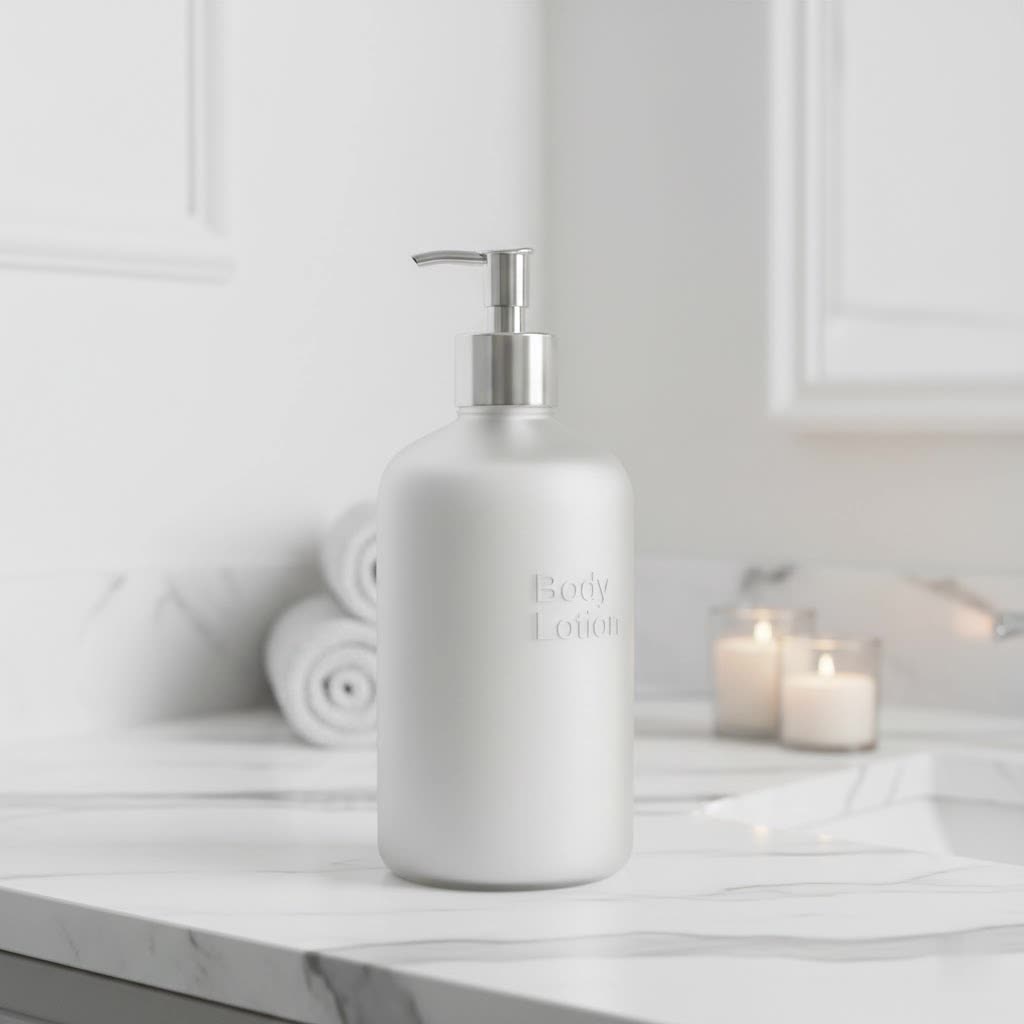
Dreaming of silky-smooth, even-toned skin from head to toe? Many of us meticulously care for our faces, yet often neglect the skin on our bodies, leaving it prone to dryness, dullness, and uneven texture. If you’ve ever wished for a solution that truly transforms your body skin, it’s time to discover the power of glycolic body lotion. This skincare hero, infused with a potent alpha hydroxy acid (AHA), offers a remarkable way to gently exfoliate, renew, and revitalize your skin, revealing a more youthful and glowing appearance. Get ready to embrace healthier, more luminous skin with the right glycolic body lotion tailored to your needs.
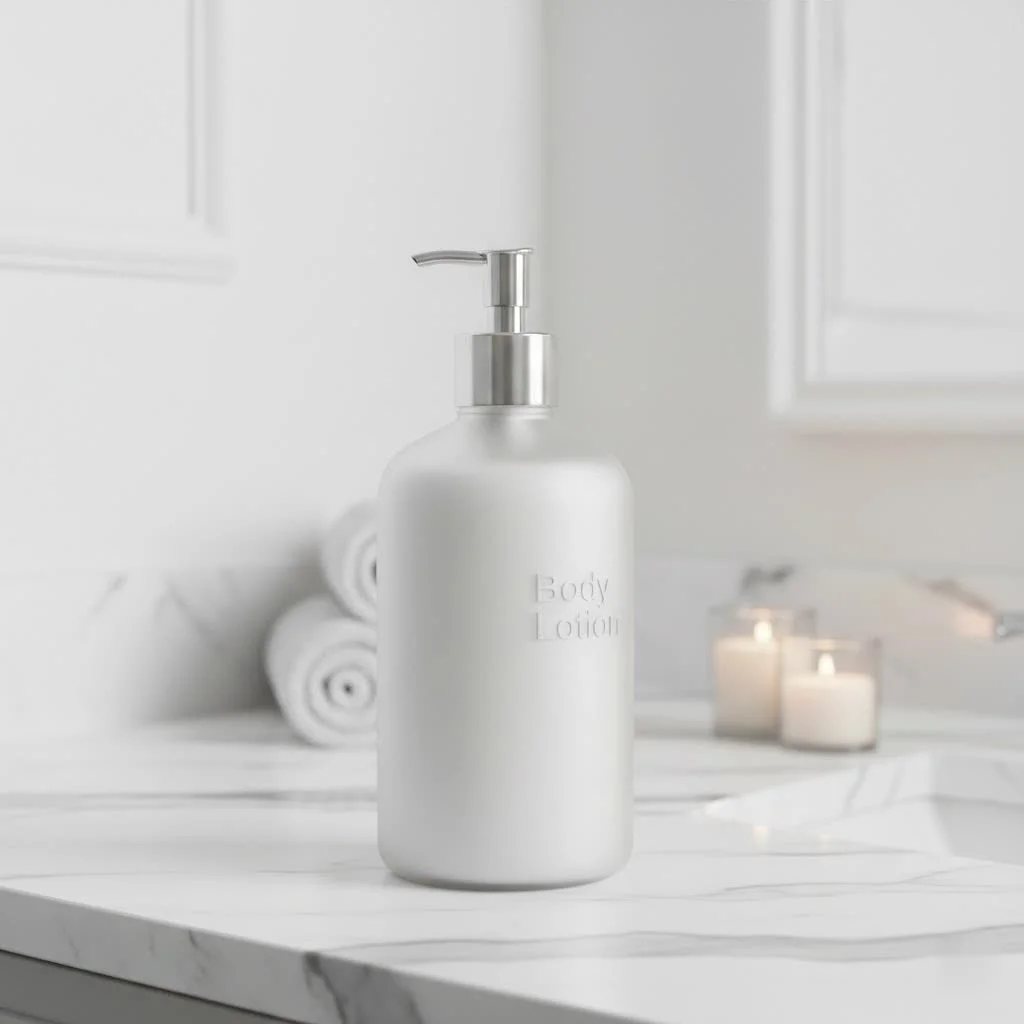
Glycolic Body Lotion: The Secret to Soft, Radiant Skin
What is Glycolic Body Lotion and Why Do You Need It?
Glycolic acid body lotion is a skincare product formulated with glycolic acid, a well-researched alpha hydroxy acid (AHA) derived from sugarcane. Known for its small molecular size, glycolic acid effectively penetrates the skin’s surface, acting as a chemical exfoliant. Unlike physical scrubs that can sometimes be harsh, it gently dissolves the bonds between dead skin cells, encouraging them to shed more easily and promoting faster cell turnover. This process reveals fresh, new skin underneath, leading to a host of transformative benefits. For more body lotion guides on this site.
You need glycolic body lotion if you’re battling common skin concerns like rough, bumpy texture, persistent dullness, or uneven skin tone. It is particularly effective for addressing conditions such as keratosis pilaris (often called “chicken skin” bumps on arms and thighs), body acne, and ingrown hairs. This powerful ingredient can significantly reduce the appearance of dark spots, hyperpigmentation, and even the “crepey” texture that can develop with age or sun damage, making it a vital component in an effective body care routine. Incorporating it regularly can help maintain overall skin health and enhance its natural radiance, ensuring your body skin receives the same dedicated care as your face.
Key Ingredients in Glycolic Body Lotions
When selecting a glycolic body lotion, understanding the ingredient list is crucial for maximizing benefits and minimizing potential irritation. The star ingredient, Glycolic Acid, is responsible for the exfoliation, and its concentration typically ranges from 5% to 15% for body products, offering varying levels of intensity. Higher percentages provide stronger exfoliation, while lower ones are suitable for beginners or sensitive skin.
Beyond the AHA, effective glycolic body lotions are usually enriched with Hydrating Ingredients to counteract potential dryness caused by exfoliation. Look for humectants like Glycerin and Hyaluronic Acid, which draw moisture into the skin, and barrier-supporting lipids such as Ceramides, which help maintain the skin’s natural protective barrier. To further soothe and soften the skin, Emollients and Soothing Agents are often included. Ingredients like Shea Butter, Cocoa Butter, and Jojoba Oil provide rich nourishment, while Vitamin E offers antioxidant protection. Allantoin is another excellent addition, known for its calming properties that help reduce irritation.
Conversely, it’s wise to be mindful of Ingredients to Avoid, especially if you have sensitive skin or are new to chemical exfoliants. Parabens and sulfates are often flagged by consumers, though their impact is debated. More importantly, highly drying alcohols can exacerbate dryness and irritation when combined with an exfoliating acid. Similarly, strong synthetic fragrances can sometimes trigger reactions in sensitive skin types, making fragrance-free options a preferred choice for many seeking gentle yet effective body care.
Comparing Popular Glycolic Body Lotion Types
|
Our Picks for the Best Body Lotion in 2026
As an Amazon Associate I earn from qualifying purchases.
|
||
| Num | Product | Action |
|---|---|---|
| 1 | eos Shea Better Body Lotion, Fresh & Cozy, 24-Hour Moisture Skin Care, Lightweight & Non-Greasy, Natural Shea, Vegan, 16 fl oz |

|
| 2 | CeraVe Intensive Moisturizing Lotion, Hydro-Urea + Shea Butter, Body Lotion For Dry Skin, Relieves Signs Of Extra Dry Skin, Non Greasy Hydrating Cream For Rough, Tight, Red & Itchy Skin, 16oz |
|
| 3 | Jergens Ultra Healing Dry Skin Lotion, Hand and Body Moisturizer for Quick Absorption into Extra Dry Skin with Hydralucence Blend, Vitamins C, E and B5, White, 32oz |
|
| 4 | Gold Bond Age Renew Retinol Overnight Body & Face Lotion, Retinol Face and Body Lotion with Peptide Complex, 13 oz |
|
| 5 | Weleda Restoring Body Lotion |
|
| 6 | eos Shea Better Body Lotion- Crème de Pistachio, 24-Hour Moisture Skin Care, Lightweight & Non-Greasy, Made with Natural Shea, Vegan, 16 fl oz |
|
| 7 | Vaseline Intensive Care Body Lotion Cocoa Radiant 3 count for Dry Skin Lotion Made with Ultra-Hydrating Lipids and Pure Cocoa Butter for a Long-Lasting, Radiant Glow 20.3 Oz |
|
| 8 | Naturium Bio-Lipid Restoring Moisturizing Body Lotion with Shea Butter, Fragrance Free, 14 oz |
|
| 9 | Cetaphil Face & Body Moisturizer, Hydrating Moisturizing Lotion for All Skin Types, Suitable for Sensitive Skin, NEW 20 oz, Fragrance Free, Hypoallergenic, Non-Comedogenic |
|
| 10 | Gold Bond Healing Hydrating Lotion With Aloe Moisturizes, Heals & Smooths Dry Skin, Body Lotion, Delivers Immediate 24-Hour Hydration, Value Size, 24 oz |
|
Glycolic acid is most commonly found in lotion or cream formulations for the body, each offering distinct characteristics suitable for different preferences and skin needs. Lotions are typically lighter in texture, absorb quickly, and provide moderate hydration. They are often preferred for normal, oily, or combination skin types, or for use during warmer months when a heavy feel is undesirable. Their fluid consistency allows for easy spreadability over large body areas.
Creams, on the other hand, are richer and more occlusive, offering a higher level of hydration. They are an excellent choice for individuals with normal to dry skin, providing intense moisture along with the exfoliating benefits of glycolic acid. Creams tend to linger on the skin longer, making them ideal for very dry, rough patches like elbows and knees. While less common, some very rich formulas might border on Balms, designed for extremely dry or compromised skin, though these are rare for primary glycolic formulations as the texture can interfere with acid penetration or comfort. Oils containing glycolic acid are even less common; while some exfoliating body oils exist, glycolic acid is water-soluble, making it less effective in an oil-dominant base compared to lotions or creams. When choosing, consider not just the active ingredient, but also the overall texture and how it aligns with your skin type and the desired level of moisturization.
Glycolic Body Lotion Comparison Table
| Feature | Lotion | Cream | Balm (less common for GA) | Oil (less common for GA) |
|---|---|---|---|---|
| Hydration Level | Light to Medium | Medium to High | High, highly occlusive | High, often leaves a glow |
| Absorption | Fast | Medium | Slow | Medium to Slow |
| Suitable Skin Types | Normal, Oily, Combination, Mildly Dry | Normal, Dry, Combination | Very Dry, Rough, Compromised Barrier | Dry, Mature (if formulated with emollients) |
| Skin Feel | Lightweight, non-greasy, refreshing | Rich, soft, comforting | Thick, protective, intensely moisturizing | Silky, smooth, often radiant |
| Glycolic Integration | Common, effective for widespread use | Common, effective for targeted dry areas | Rare, specialized formulations for exfoliation | Rare, often paired with other actives |
How to Choose the Right Glycolic Body Lotion
Selecting the ideal glycolic body lotion requires a thoughtful approach tailored to your individual skin needs and lifestyle. First and foremost, Identify Your Skin Type and Concerns. Are you dealing with persistent dryness, rough patches, keratosis pilaris, body breakouts, or hyperpigmentation? For sensitive or easily irritated skin, starting with a lower concentration (around 5-8%) is advisable. Those with more resilient or significantly textured skin might tolerate higher concentrations (10-15%).
Next, Read the Ingredient List Carefully. While glycolic acid is the star, look for complementary ingredients that support skin health. Hydrators like hyaluronic acid, glycerin, and ceramides are crucial for maintaining moisture balance and counteracting potential dryness. Soothing ingredients such as allantoin, aloe vera, or colloidal oatmeal can help minimize irritation. Conversely, if you have sensitive skin, consider choosing products free from strong fragrances or harsh alcohols, which can sometimes exacerbate irritation when combined with chemical exfoliants.
Before committing to a full-sized product, Perform a Patch Test. Apply a small amount of the lotion to an inconspicuous area, like your inner arm, and wait 24-48 hours to check for any adverse reactions like excessive redness, itching, or burning. Finally, Consider User Reviews and Feedback. While individual experiences vary, reviews can offer valuable insights into a product’s texture, scent, and overall effectiveness for specific skin concerns, helping you make a more informed decision.
Top Glycolic Body Lotions on the Market
The market offers a diverse range of glycolic body lotions, each with unique formulations designed to tackle various skin concerns. When searching for effective options, certain brands consistently receive acclaim for their performance and ingredient quality.
For those new to chemical exfoliation or with slightly sensitive skin, products with around 5-8% glycolic acid are an excellent starting point. Many dermatologically tested brands prioritize gentle yet effective formulas that combine glycolic acid with soothing and hydrating ingredients. As your skin acclimatizes, or if you’re targeting more stubborn concerns like severe keratosis pilaris or significant hyperpigmentation, you might explore lotions with a higher concentration, typically ranging from 10% to 15%. These stronger formulations deliver more intensive exfoliation and accelerated results. Many popular options also include additional beneficial components such as antioxidants, niacinamide for brightening, or ceramides to fortify the skin barrier. Brands like Alpha Skincare, Naturium, AmLactin, Paula’s Choice, and Drunk Elephant are often recommended by skincare enthusiasts and professionals alike for their well-formulated glycolic body treatment options. Each offers a slightly different texture and blend of supporting ingredients, allowing you to find a perfect match for your skin’s specific needs and preferences.
Tips for Effective Glycolic Body Lotion Use
To truly harness the transformative power of glycolic body lotion, proper application and consistent practice are key. The best time to apply is immediately after showering or bathing, when your skin is still slightly damp. This helps to lock in moisture, enhancing the lotion’s hydrating benefits as well as its absorption. Gently pat your skin dry with a towel, then apply an even layer of the lotion. Many experts recommend evening application, as glycolic acid can increase sun sensitivity, and allowing it to work overnight minimizes exposure to UV rays during its active period.
When it comes to application technique, less is often more initially. Start by applying a thin, even layer to the areas you wish to treat, such as arms, legs, back, and décolletage. Use gentle, upward strokes to help with absorption. For those new to chemical exfoliants, start slowly with a frequency of two to three times per week. As your skin builds tolerance, you can gradually increase usage to every other day or even daily, if your skin responds well without irritation.
A crucial step that cannot be overstated is the daily use of a broad-spectrum sunscreen with an SPF of 30 or higher, particularly on any treated areas exposed to the sun. This is non-negotiable, as glycolic acid makes your skin more vulnerable to sun damage. For optimal results and to prevent dryness, pairing your glycolic body lotion with an additional, plain hydrating moisturizer can be beneficial, especially if your skin feels tight or dry. Apply the glycolic lotion first, allow it to absorb for a few minutes, then follow with a rich, soothing moisturizer. It’s also important to avoid using other strong physical scrubs or chemical exfoliants (like retinoids or other AHAs/BHAs) on the same areas simultaneously, as this can lead to over-exfoliation, irritation, and compromised skin barrier function. Adjust your routine for different seasons; richer creams may be preferred in winter, while lighter lotions might be better for summer, always with diligent sun protection.
Where to Buy Glycolic Body Lotion
Acquiring authentic and effective glycolic body lotions is simpler than ever, with numerous reputable avenues available. For a tactile experience and personalized advice, visit reputable beauty retailers such as Ulta Beauty, Sephora, or department stores like Macy’s. These stores often carry a wide selection of skincare brands and have knowledgeable staff who can guide you through options. Pharmacies and drugstores like CVS, Walgreens, or Target also stock popular and often more affordable glycolic body lotions from brands like AmLactin and CeraVe.
Online shopping provides unparalleled convenience and a vast array of choices. Major e-commerce platforms like Amazon, Dermstore, and the official websites of skincare brands are excellent sources. Many brands offer exclusive online deals or product bundles. For higher-end or medical-grade formulations, dermatologist offices or specialized medical spas might offer their curated selections. When purchasing, always exercise caution to avoid counterfeit products by buying only from authorized retailers or the brand’s official channels. Verify seller authenticity on third-party sites, check product reviews, and be wary of unusually low prices, which can be indicators of fake or expired goods. Prioritizing trusted sources ensures you receive a safe and effective product for your skincare regimen.
Your Guide to Purchasing Glycolic Body Lotion
Navigating the world of glycolic body lotions can feel overwhelming, but a systematic approach will ensure you find the perfect product. Begin by identifying your specific skin type and primary concerns. Do you have persistent rough patches, uneven tone, ingrown hairs, or keratosis pilaris? For very sensitive skin, a lower percentage of glycolic acid (5-8%) is recommended, while more resilient skin types might benefit from a 10-15% concentration. Understanding your skin’s needs will narrow down your options significantly.
Next, meticulously check the ingredients list. Beyond glycolic acid, look for hydrating powerhouses such as hyaluronic acid, glycerin, and ceramides to support skin moisture and barrier function. Soothing agents like aloe vera, allantoin, or green tea extract are also beneficial to calm the skin and prevent irritation. Conversely, if you have easily reactive skin, opt for formulations that are fragrance-free and avoid harsh alcohols. While not always present, some products might carry certifications, such as being dermatologically tested, non-comedogenic, or cruelty-free, which can provide an extra layer of assurance regarding safety and formulation quality.
Finally, leverage the power of online reviews. These provide real-world insights into a product’s efficacy, texture, and how it performs on various skin types. Pay attention to common themes, both positive and negative, to gain a balanced perspective. Don’t hesitate to compare prices across different reputable retailers, but always prioritize product authenticity over the lowest price to avoid potentially harmful counterfeits. By carefully considering these factors, you can confidently choose a glycolic body lotion that effectively addresses your skin concerns and helps you achieve your desired results.
“Glycolic acid is a phenomenal multi-tasker for the body, addressing everything from rough texture to uneven tone. But consistent sun protection is its non-negotiable partner for safe and effective results.” – Dr. Sarah Lee, Board-Certified Dermatologist
Conclusion
Embracing a glycolic body lotion in your skincare routine can be a major upgrade for achieving noticeably smoother, brighter, and more even-toned skin. By gently exfoliating dead skin cells and promoting cellular renewal, this potent ingredient effectively addresses a many concerns, from stubborn rough patches and keratosis pilaris to dark spots and dullness. The key lies in selecting a formula that matches your skin’s needs, starting with a lower concentration if you’re new to AHAs, and consistently pairing it with diligent sun protection.
With the right approach, you can unveil a radiant glow that extends beyond your face, boosting your confidence from head to toe. Don’t let your body skin be an afterthought; it deserves the same care and attention as your complexion. Why wait to experience the transformation?
Frequently Asked Questions
Is glycolic body lotion safe for daily use?
While many glycolic body lotions are formulated for regular use, especially at lower concentrations (5-10%), it’s generally best to start 2-3 times per week. Observe how your skin responds, and if no irritation occurs, you can gradually increase the frequency. Daily use is often suitable for seasoned users with resilient skin, always ing to follow with SPF.
Can I use glycolic body lotion if I have sensitive skin?
Individuals with sensitive skin should approach glycolic body lotion with caution. Start with the lowest concentration available (around 5%) and perform a patch test on a small area. If no irritation occurs after 24-48 hours, begin using it sparingly, perhaps once or twice a week, and always choose fragrance-free formulas with added soothing ingredients.
Does glycolic acid help with KP or “strawberry skin”?
Yes, glycolic acid is highly effective in treating keratosis pilaris (KP), often referred to as “strawberry skin.” Its exfoliating properties help to loosen and remove the buildup of dead skin cells that clog hair follicles, thereby reducing the characteristic bumps and smoothing the skin’s texture. Consistent use can lead to significant improvement.
What percentage of glycolic acid is best for body lotion?
For most body concerns, a concentration of 8% to 12% glycolic acid is often recommended as an effective starting point that balances efficacy with tolerability. For very rough skin or stubborn hyperpigmentation, some products may go up to 15%, but beginners and those with sensitive skin should start lower.
How long does it take to see results from glycolic body lotion?
Results can vary, but many users report seeing improvements in skin texture and radiance within 2-4 weeks of consistent use. More significant changes in hyperpigmentation or severe KP may take several months. Patience and consistent application, coupled with sun protection, are crucial for optimal outcomes.
Can I use glycolic body lotion on my face?
While some glycolic acid products are designed for both face and body, body lotions often contain higher concentrations of glycolic acid or richer textures that might be too potent or occlusive for delicate facial skin. It’s generally best to use products specifically formulated for facial use to avoid potential irritation.
Are there any ingredients I should avoid when using glycolic acid?
When using glycolic body lotion, it’s advisable to avoid simultaneously using other strong chemical exfoliants like retinol, salicylic acid (BHA), or other high-concentration AHAs on the same area to prevent over-exfoliation and irritation. Also, be wary of highly drying alcohols and strong artificial fragrances if you have sensitive skin.
Build a cleanser routine that actually works
Practical specs, not advice. Unsubscribe anytime.
